
Summer is around the corner, yet summer climate impacts are already here. With a warmer and drier spring in British Columbia, wildfire smoke is in the air. 2026 is an El Niño year, which means B.C. and the North are likely to face bracing heat while summer passes over other parts of the country.
For climate communicators, this is an important time to connect the dots between extreme summer weather events and climate change, given that the media doesn’t always do so, literacy about global warming’s causes and effects remains low, and misinformation and disinformation continue to be major concerns. Yet, how best to do this when climate change is currently not top of mind compared to affordability and security and remains a polarizing topic?
The task at hand is to help audiences make sense of what happened during a heat wave or wildfire, connect local experiences to larger climate trends and then move into discussions of preparedness and prevention.
The task at hand is to help audiences make sense of what happened during a heat wave or wildfire, connect local experiences to larger climate trends and then move into discussions of preparedness and prevention. The latter is what distinguishes crisis communications from climate communications. This is not just about getting back to normal daily life after a disruption. It is about assessing future climate impacts and determining how to prevent and prepare for them.
Drawing from Re.Climate’s research and hands-on work supporting organizations and spokespeople communicating about climate impacts, here’s a mini roadmap to help navigate the journey through summer’s climate impacts.
Proactively Frame Wildfires and Heat Waves as Symptoms of Deeper Issues
Proactive communication in advance of summer climate impacts can help build understanding of the connection to climate change.
While the science of attributing climate change to severe weather events is improving, a more basic explanation of the relationship is a better starting point. Keep in mind, climate change doesn’t cause heat waves or wildfires — but it does make them more likely and severe.
Climate change is making heat waves and wildfires more frequent, more intense and more dangerous. Burning fossil fuels is creating hotter, drier conditions that fuel these disasters. These are not isolated events — they are part of a larger pattern of climate disruption.
Fear without agency can produce shutdown and disengagement. It is therefore important to balance urgency with efficacy by honestly acknowledging the risk, then pivoting to what can be done through collective action and preparedness.
Heat waves are becoming more dangerous because of climate change, but cities can protect people through cooling centres, urban trees, emergency planning and cleaner energy.
Focus on Protecting People and Places
During extreme weather events, the focus should be on protecting people and places. This includes conveying how daily life is affected by heat waves and wildfires, and who is most impacted. Climate change can be woven in, but communicating from a place of concern about immediate risks is the priority.
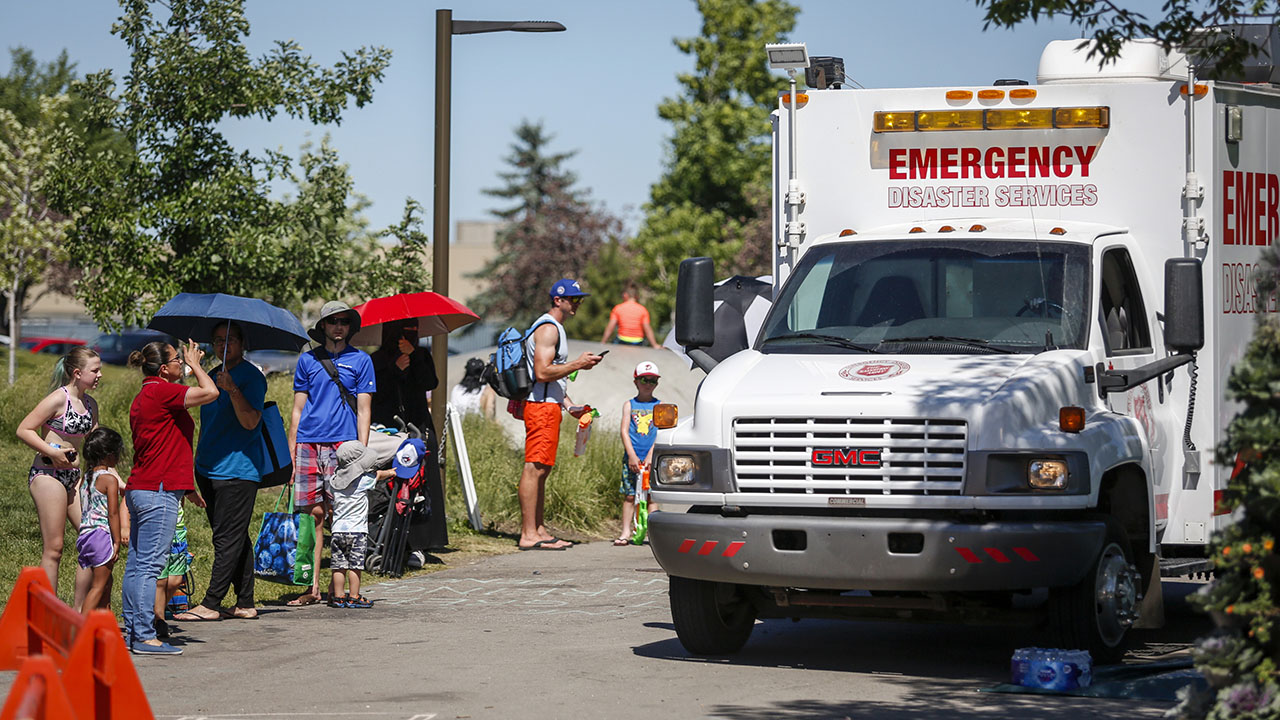
For most Canadians, heat waves and wildfires are getting in the way of enjoying summer. The once-beloved season of family trips, outdoor festivals, and summer sports is increasingly becoming a time when people are forced to cancel plans and stay inside. Especially with wildfires, where the reach of the smoke can cross provincial lines and international borders.
Beyond this now common experience, climate impacts do not affect everyone equally. Every summer, people are losing their lives, homes and the places they love. Emotional sensitivity is at the core of the communication task. Communicators can focus on human experiences by sharing stories of communities coming together to prepare and heal.
Actively Counter Misinformation
During extreme summer weather events, it’s important to address misinformation. Research by Dr. Chris Russill, academic director at Re.Climate, highlights how conspiracy climate narratives, particularly those suggesting government involvement in starting fires, took shape quickly following wildfire-related events like the declaration of an emergency in Alberta and the evacuation of Yellowknife.
Offering accurate, non-political information is key, as well as elevating the voices of trusted sources such as first responders and medical professionals.
Offering accurate, non-political information is key, as well as elevating the voices of trusted sources such as first responders and medical professionals.
The need for proactive communication before extreme weather events is worth repeating. Trust isn’t built during the middle of a crisis. It requires ongoing, transparent communication before disasters occur.
Creating Space to Envision a Safe and Resilient Future
It is normal to want to return to normal after an extreme weather event, especially after wildfires that involve evacuations and the destruction of communities and ecosystems. At the same time, after an extreme weather event, it is important to spark community discussions about the best pathway forward, given the risk of future climate impacts. Forums can allow people to share stories, process grief, and discuss how to move forward together.
A good example can be found in the Bow Valley, Alberta, where 66 workshops were held as part of a project called Active Hope: Navigating Climate Grief & Anxiety, which offered a different way forward. Led by the Biosphere Institute of the Bow Valley, with support from the Tamarack Institute and rooted in Stoney Nakoda teachings that honour long-standing Indigenous understandings of land, loss, and renewal, this initiative created space for people to build new relationships and explore ways to work together to build resilience.
Make the Case for Investment in Adaptation
Despite increasing heatwaves, wildfires, and other climate impacts, and the rising costs of responding to them, adaptation remains a low priority for provincial and federal governments. One major barrier is the entrenchment of misleading economic narratives that pit economic growth against environmental protection. Protecting ecosystems, restoring wetlands, and greening communities are examples of investments in nature-based solutions that pay off in multiple ways.
Emphasize that Canada cannot afford to wait to adapt.
“Every dollar invested in adaptation can yield up to $15 in economic benefits and avoided costs – $5 in direct benefits by reducing repair and replacement expenses and $10 in indirect benefits such as fewer supply-chain disruptions and avoiding declines in productivity.” — James K Stewart, C.D. Howe Institute
Caring is Resilience
Ultimately, adaptation is about so much more than money. It is about what keeps us safe. Adaptation reduces the need for disaster response. It can save people, homes, businesses and communities. It can save summer camps, trips, picnics, hikes and festivals. Communities that embrace local, community-driven and equity-centred approaches, prioritize volunteerism and foster functional networks for local and regional collaboration demonstrate resilience. Caring, therefore, helps define resilience.
Proactive, ongoing communication and deep engagement, with a focus on relationship building, are what to strive for. However, it’s still early enough in the summer impacts season to start connecting the dots between extreme summer weather events and climate change, with some resources to get you started.
9 Ways to Connect Climate Change to Canada’s Wildfire Story
Wildfires and Un-Natural Disasters
Heatwaves and Un-Natural Disasters
Talking it Through: A Discussion Guide for Local Government Staff on Climate Adaptation
Cara Pike is a Senior Advisor at Re.Climate and Executive Director of Climate Access
