
When Prime Minister Carney addressed students at the University of Ottawa in advance of the release of the federal budget, he promised it would include training and job opportunities for young Canadians and a climate competitiveness plan. That Canada would be an even bigger energy superpower.
Some of Carney’s agenda may have resonated with his audience. Yet, there are a few key things the Prime Minister may have overlooked when it comes to what young Canadians care about.
Values, Not Demographics, Drive Climate Concern
Differences in ideology and values determine what Canadians think about climate change more than demographic differences do. The one distinction is that women and young Canadians are much more concerned than others.
Take the 79 per cent of people between 18 and 29 who are the most worried about impacts from extreme weather and climate change. Seventy-one per cent of people between 30 and 44 feel the same way.
A climate plan, therefore, needs to be not just competitive in an economic sense, but also deliver real pollution reduction to gain support from Gen Z and Millennials. They know their futures are at stake.
Young Canadians Want Clean Energy, Not Fossil Expansion
The pattern continues when it comes to clean energy versus fossil fuels. Seventy-nine percent of Gen Z prefer developing renewable energy, energy storage systems and critical minerals, while only 21 percent support oil, gas and LNG extraction. Seventy per cent of Millennials support clean energy, compared with 30 per cent who support fossil fuels.
Putting public dollars into LNG expansion is unlikely to be a popular nation-building strategy among many young Canadians.
Let’s go back to Gen Z and Millennials and the importance of ideologies and values. Being concerned about the environment and wanting to protect it are commonly held values across the political and social spectrums within these generations. The vast majority of both groups want to see action on climate.
Take the Egalitarian Idealists, the most progressive segment of Gen Z identified in Environics social values research. They prioritize ecological concerns, ethical consumption, and social responsibility. But so do the Dutiful Accomplishers, a segment that tends to be more conservative yet also aligns with values of climate action. They believe in voluntary simplicity and are enthusiastic about new technology.
Fossil fuels and nuclear are legacy energy sources that come with dangerous pollution. An agenda that prioritizes them doesn’t reflect young Canadians’ values and what they are enthusiastic about.
Young Canadians Want Purposeful, Climate-Aligned Careers
Both Gen Z and Millennials are looking for more than a paycheck—they want work that matters. For many, this means having work that provides social value, including engaging in social movements.
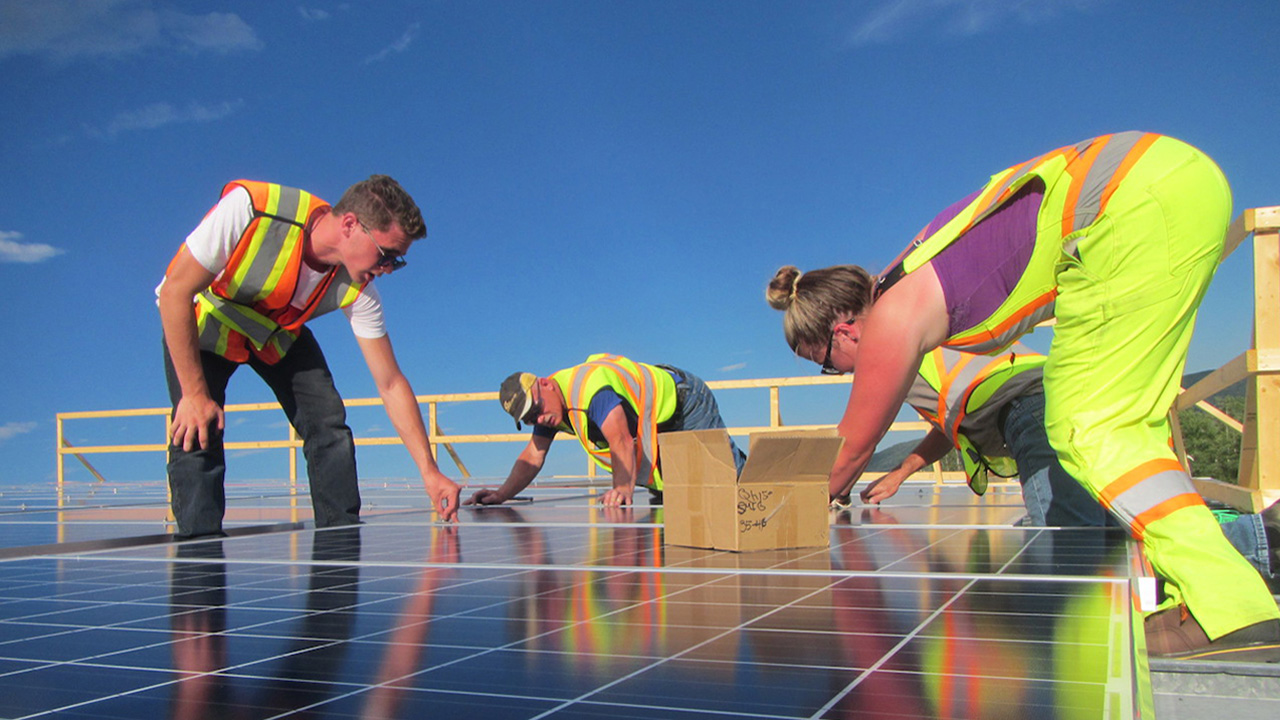
Jobs that allow young Canadians to participate in the transition to renewable, clean, low-carbon energy and technologies will likely be more popular than job sectors with major environmental and boom-and-bust economic risks.
The Choice Ahead
Prime Minister Carney was direct in telling students in Ottawa—and the country listening—that the work underway will be difficult, take time and require sacrifices. This type of political message is not common in an era of simplifying issues into memes and offering quick fixes.
Given that many young people in Canada are skeptical of traditional institutions, honest messaging may actually resonate. At the same time, things are already difficult, with extreme weather events on the rise, rising costs of living, and many other challenges.
Canada is at a crossroads on many issues, and no path is an easy one to take. That’s why it’s important to consider what sacrifices are worth making. Do we want to continue spending billions of dollars each year cleaning up and rebuilding after the impacts of extreme weather? Or do we invest in avoiding pollution from oil and gas and increasing our competitiveness in truly clean sectors?
If young Canadians have a say, the answer will be the latter. Let’s hope decision makers start listening.
Tips for Communicators
Spend time listening to what young Canadians care about and shape communication and engagement based on their concerns. This can be via research or connecting with and supporting organizations that focus on reaching Gen Z and Millennials such as FES and the Youth Climate Corps.
Don’t overwhelm and offer real solutions. Most young Canadians are painfully aware of the challenges related to climate change. Don’t focus on extreme weather. Instead, outline what’s causing the problem, what’s standing in the way of action and promote relevant solutions such as how to get a green job.
Foster intergenerational conversations and action. Younger Canadians are experiencing greater anxiety about the impacts of climate change than other segments of the population. Part of this is driven by seeing inaction on the part of others. Create opportunities for people to work across the generations to share their voice with decision makers and spur local action.
Cara Pike is Re.Climate’s Senior Advisor and the founder and executive director of Climate Access, a non-profit focused on building political and public support for climate action. Cara is a pioneer and leading thinker in climate communications. She regularly advises government agencies and nonprofit organizations.
